Nowadays, grocery aisles serve more purposes than just stockpiling.
They are cross-sections of cultures in 2026, where technology meets tradition, convenience meets conscience, and daily routines change into global trends.
These trends are changing supermarkets worldwide this year, whether you’re a foodie searching for the newest flavour, a traveller hoping to learn about local life, or just someone who enjoys leisurely Sunday shopping.
1. Local First — A Comeback to Authenticity in the Region
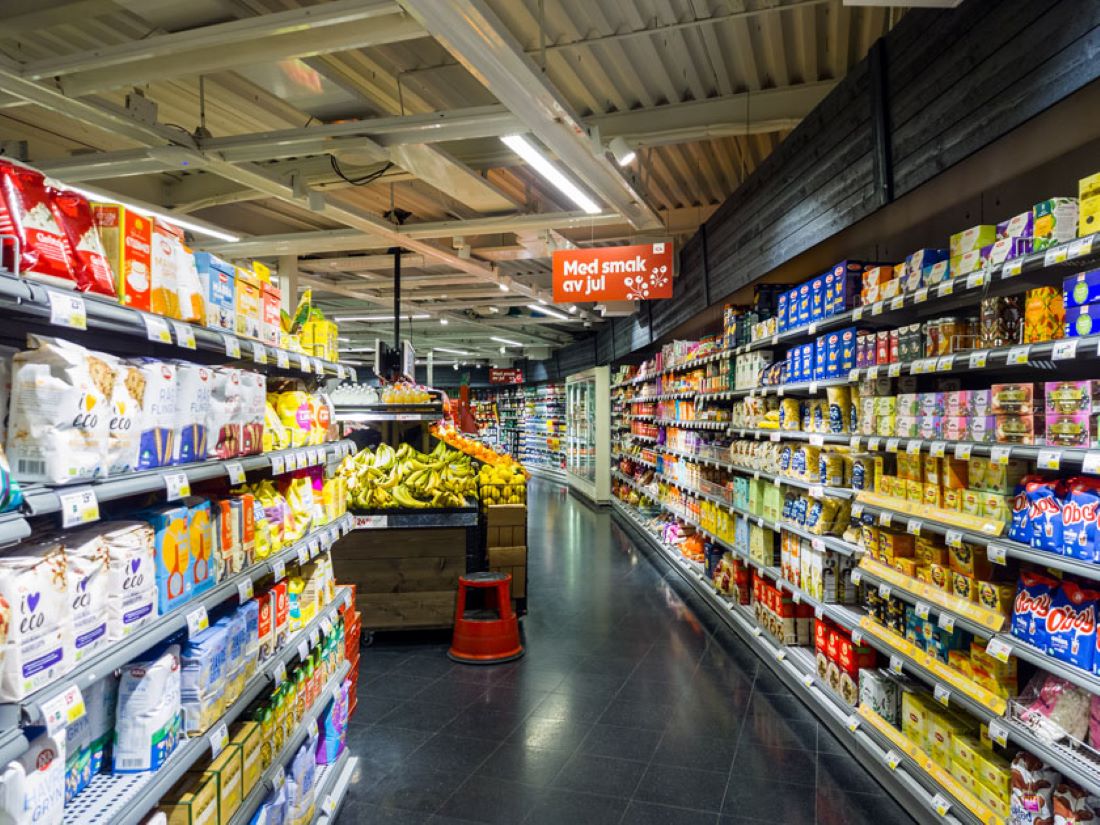
Supermarkets in 2026 are proudly regional after years of globalised sameness.
From Italian delis full of heritage salumi to Greek markets featuring Aegean olive oils next to artisan honey, consumers are selecting locally produced goods with backstories.
This isn’t nostalgia; rather, it’s a direct reaction to a global desire for sustainability, authenticity, and locally sourced flavour. Anticipate whole aisles devoted to ingredients specific to a given region.
Local refers to identity.
And what sets one travel experience apart from another is identity.
2. Plastic-Free Shopping Zones Are Becoming Norm
Environmental urgency has finally reshaped packaging culture.
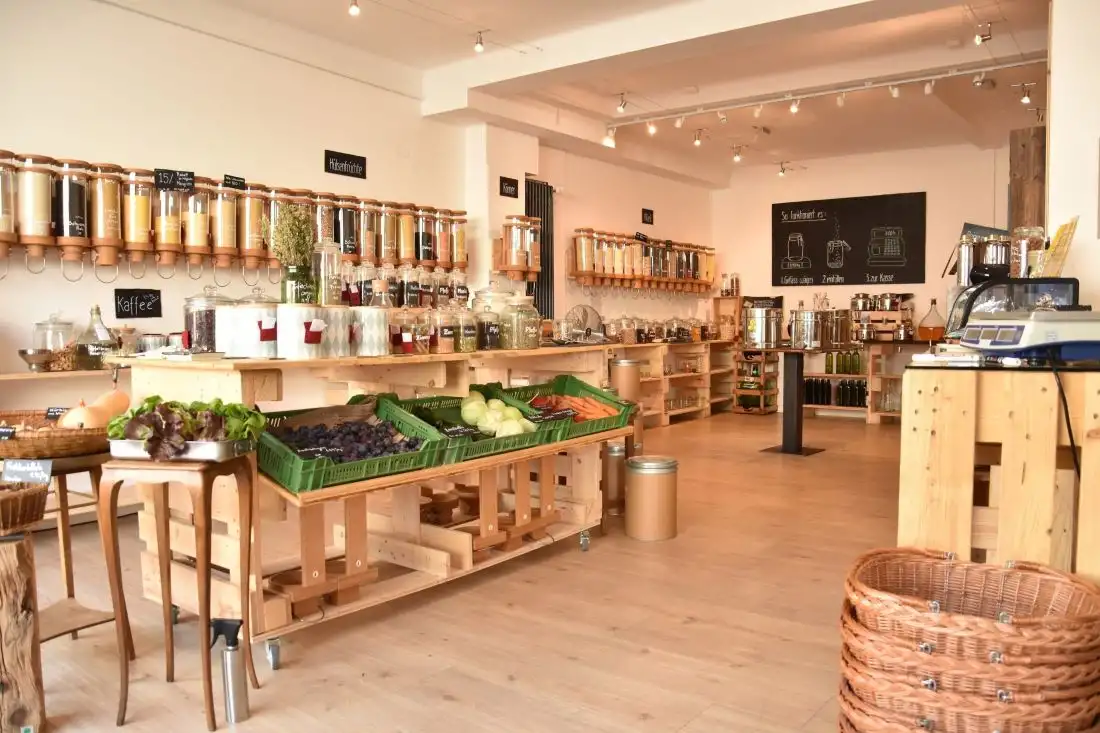
In cities like Copenhagen, Tokyo, Vancouver, and Athens, supermarkets now offer wide plastic-free aisles: bulk bins, bring-your-own-container options, zero-waste shelves. Cleaning products, grains, oils, spices all packaged in biodegradable, reusable or returnable materials.
This is how grocery aisles become part of the solution — not the problem.
3. The Emergence of Functional Foods: Consume Food for a Reason
Food is no longer neutral.
It is purposeful, narratively driven, and functional.
Aisles should be arranged by function rather than just category.
Boosters for the Brain
Essentials of Gut Health
Foods for Longevity
Picks That Reduce Inflammation
Eating with purpose is a larger cultural trend that is reflected in these trends. Conscious, carefully chosen, and customised, it’s the everyday counterpart of wellness travel.
4. AI-Powered Mini-Experiences in Food Stores
AI is present everywhere, including in the grocery store.
Smart carts make recipe recommendations based on the items you’ve already added. Deals that suit your tastes are highlighted by shifting store lights. As you shop, you can listen to the farmer or cooper’s story through QR-linked product stories.
Scanning turns into narrative. Shopping turns into exploration.
This is the supermarket of the future, not science fiction.
5. Fresh Fast — Quality Ready Meals Redefined
Gone are the days when ready meals were synonymous with mediocrity.
In 2026, supermarkets partner with local chefs to offer fresh, chef-crafted meals prepared daily. These aren’t convenience boxes they are short-order menus with freshness and flavour.
Sushi stations, mezze platters, rotisserie corners, artisanal salads… all ready within minutes, designed for people who want vacation-level food without the restaurant price tag.
6. In-Store Travel Markets — A World Under One Roof
Supermarkets are blurring into cultural hubs.
Think mini food markets within a market:
-
A Sicilian counter with fresh ricotta and cannoli
-
A Korean corner with kimchi and tteokbokki snacks
-
A Middle Eastern spice and tea pavilion
-
A Greek ‘meze alley’ with local dips and artesian breads
These are curated cultural showcases as much as they are shopping experiences.
For travellers, they are quick destinations. Snack the world in aisles. Taste travel without booking a flight.
Why Travel My Day Readers Should Pay Attention to These Trends
Because our exploration of tomorrow is reflected in the grocery aisles of today.
The options you find, whether you’re strolling through the refrigerated aisles of a Tokyo supermarket at midnight or exploring the old town streets of Thessaloniki, tell a tale of culture, values, and the changing tastes of the world.
Nowadays, travel is more than just seeing landmarks.
It’s about living our daily lives, and how we feed ourselves is a part of that.